Follow Us

 Spanish
Jan 09 2026
Jan 08 2026
Jan 06 2026
Jan 05 2026
Pioneer Transmission Limited, known in the industry as Pioneer Transmission , has recently made headlines for its breakthrough innovations in timing belt manufacturing. The company’s relentless pursuit of excellence in advanced materials is setting new standards in automotive performance, reliability, and efficiency. This latest update explores how Pioneer Transmission Technology is leveraging cutting-edge materials science to redefine the possibilities in automotive timing belt technology.
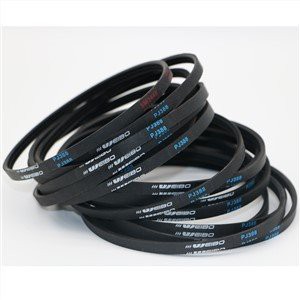
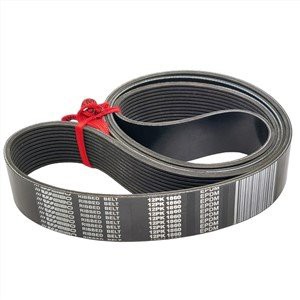
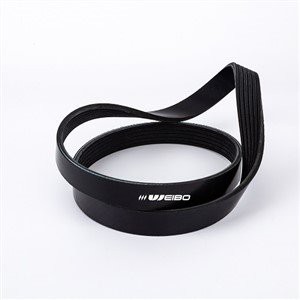
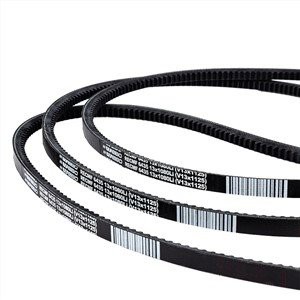
Timing belts play a critical role in synchronizing the engine’s camshaft and crankshaft, ensuring precise valve timing and optimal engine performance. Traditionally, timing belts have been made from rubber and reinforced with fiberglass or Kevlar cords. However, Pioneer Transmission Technology is pioneering the use of advanced polymers, high-strength fibers, and composite materials that offer superior durability, heat resistance, and flexibility.
These new material combinations are engineered to withstand extreme temperatures, resist wear, and extend the service life of timing belts far beyond conventional options. By integrating high-performance materials, Pioneer Transmission Technology enables automotive manufacturers to produce engines that are more efficient, quieter, and less prone to failure. This results in vehicles that deliver better fuel economy, reduced emissions, and lower maintenance costs.
The adoption of advanced materials in timing belt production is not just a technological upgrade—it is a paradigm shift for the entire automotive sector. Industry experts recognize that the longevity and reliability of timing belts directly influence engine performance and the overall driving experience. Pioneer Transmission Technology’s innovative approach has led to the development of timing belts that can endure up to 150,000 kilometers before requiring replacement, compared to the industry average of 60,000-100,000 kilometers.
Automotive manufacturers worldwide are now partnering with Pioneer Transmission Technology to incorporate these high-performance timing belts into their latest models. This collaboration is fueling a new wave of vehicle designs that prioritize sustainability and efficiency. In addition, aftermarket suppliers and service centers are reporting increased demand for Pioneer’s timing belts, as consumers seek upgrades that promise longer life and improved reliability.
Enhanced heat and chemical resistance for extended engine life
Low friction surfaces reduce energy loss and improve fuel efficiency
Noise-reducing profiles for quieter engine operation
Eco-friendly materials support global sustainability goals
Customizable designs for OEM and aftermarket applications
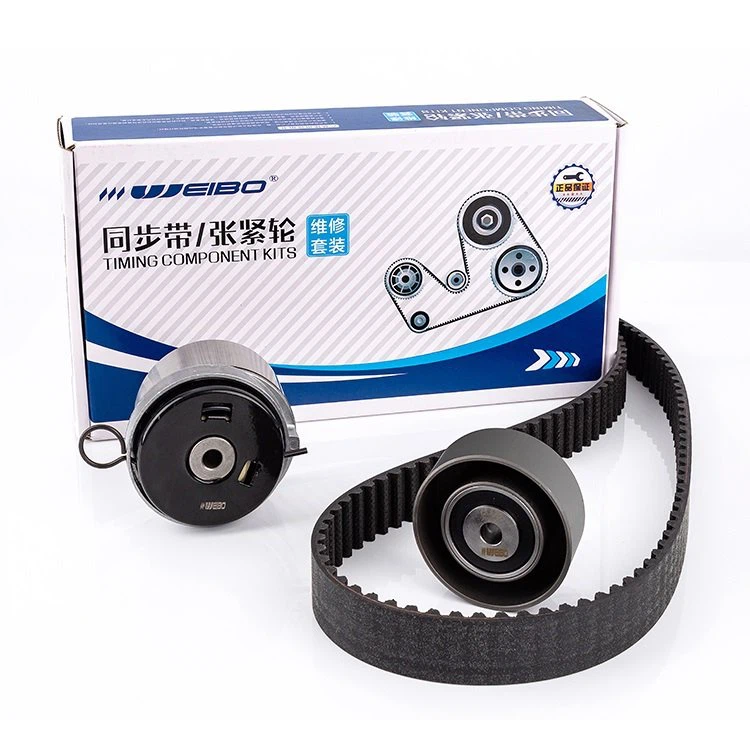
The keywords timing belt and automotive performance are central to Pioneer Transmission Technology’s mission. By continuously refining timing belt materials and manufacturing processes, the company is directly enhancing automotive performance across multiple vehicle segments. Whether for passenger cars, commercial trucks, or hybrid vehicles, Pioneer’s timing belts deliver consistent power transmission and precise engine timing, which are essential for peak performance.
Automotive performance is measured not just by horsepower or speed, but also by reliability, efficiency, and driver satisfaction. Pioneer Transmission Technology’s timing belts support these metrics by minimizing engine vibration, preventing costly breakdowns, and contributing to smoother acceleration. The company’s research and development team collaborates closely with automotive engineers to tailor timing belt solutions for specific engine configurations and driving conditions.
The automotive industry is undergoing rapid transformation, with electrification, lightweighting, and sustainability at the forefront. While electric vehicles (EVs) are reducing reliance on traditional internal combustion engines, timing belts remain vital for hybrid powertrains and auxiliary systems. Pioneer Transmission is responding to these trends by developing timing belt solutions that meet the unique demands of hybrid and next-generation engines.
Furthermore, the shift toward lightweight vehicles has increased the need for timing belts that are both strong and light. Advanced materials, such as carbon fiber-reinforced polymers and thermoplastic elastomers, are enabling manufacturers to reduce overall vehicle weight without compromising performance. Pioneer Transmission Technology’s commitment to material innovation positions it as a key partner for automakers seeking to achieve ambitious fuel efficiency and emission targets.
| Material | Durability | Heat Resistance | Noise Reduction | Environmental Impact |
|---|---|---|---|---|
| Traditional Rubber | Moderate | Low | Moderate | High |
| Fiberglass Reinforced | High | Moderate | Good | Moderate |
| Advanced Polymer Composite | Very High | Excellent | Excellent | Low |
Looking ahead, Pioneer Transmission Limitedaims to stay at the forefront of timing belt innovation. The company is investing heavily in research and development, collaborating with universities and material science institutes to discover new compounds and manufacturing techniques. As the automotive landscape evolves, Pioneer Transmission Technology remains committed to delivering products that exceed industry standards for safety, performance, and environmental stewardship.
In summary, Pioneer Transmission Technology’s advancements in timing belt materials are revolutionizing automotive performance and setting a new benchmark for the industry. With a focus on durability, efficiency, and sustainability, the company is empowering automakers and drivers alike to experience the next generation of reliable and high-performing vehicles.
For more information on the latest timing belt innovations and industry trends, visit Pioneer Transmission’s news page regularly. As the company continues to push the boundaries of automotive engineering, expect more exciting developments that will shape the future of transportation.