Follow Us

 Spanish
Jan 09 2026
Jan 08 2026
Jan 06 2026
Jan 05 2026
As automotive technology evolves, the importance of routine maintenance remains unchanged. One of the most critical components in your vehicle’s engine is the timing belt. At Zhejiang Pioneer Transmission Technology Co.,Ltd (abbreviated as Pioneer Transmission Technology), we understand how vital it is for car owners to recognize the signs of timing belt wear and to follow proper inspection routines. This article provides essential tips for inspecting your engine timing belt and highlights why this maintenance task is so important for vehicle longevity and performance.
The engine timing belt, sometimes referred to as a cam belt, synchronizes the rotation of the crankshaft and camshaft. This ensures the engine’s valves open and close at the correct intervals during each cylinder’s intake and exhaust strokes. Without a properly functioning timing belt, the engine’s internal components can collide, resulting in severe damage and costly repairs.
At Pioneer Transmission Technology, we have seen firsthand how a neglected timing belt can lead to catastrophic engine failure. That’s why regular inspection and timely replacement are strongly recommended for all car owners.
Unusual Engine Noises: Ticking or clicking sounds from the engine bay may indicate a worn or loose timing belt.
Engine Misfires: A slipping timing belt can cause the engine to misfire, leading to rough idling or poor acceleration.
Oil Leaks: Oil leaking from the front of the motor could be a sign that the timing belt cover gasket is failing, which can accelerate belt wear.
Difficulty Starting: If the timing belt is severely worn, the engine may struggle to start or fail to start altogether.
Visual Wear: Cracks, fraying, or glazing on the timing belt’s surface are clear indicators that replacement is imminent.
It’s important to remember that the timing belt is not a component that lasts forever. Most manufacturers recommend replacing the belt every 60,000 to 100,000 miles, but always refer to your vehicle’s manual for specific intervals.
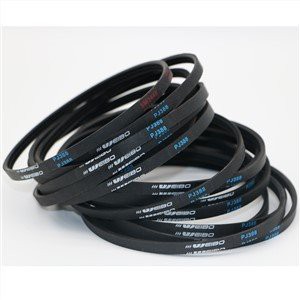
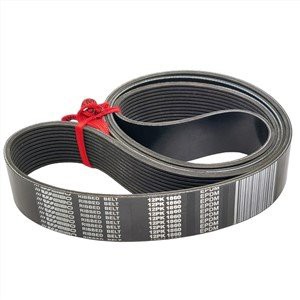
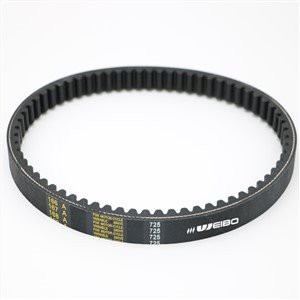
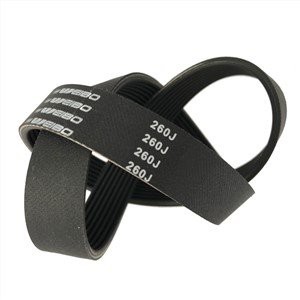
epdm serpentine belt
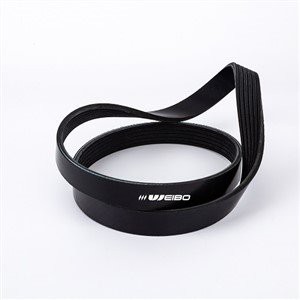
automotive fan belt
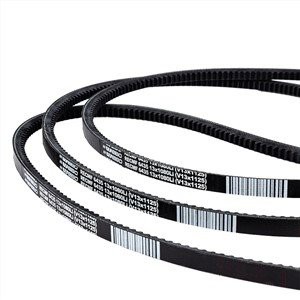
alternator drive belt
While some inspection steps can be performed by car owners, Pioneer Transmission Technology advises that a comprehensive inspection should be conducted by a professional mechanic. However, here are some basic steps you can follow:
Locate the Timing Belt: Consult your vehicle’s manual to find the timing belt’s location. In most cars, it is protected by a cover near the front of the engine.
Check for Visible Damage: Remove the cover and inspect the belt for cracks, missing teeth, or shiny spots. These are signs of excessive wear.
Test Tension: Gently press on the belt. It should feel taut with minimal give. A loose belt may indicate a failing tensioner or impending belt failure.
Listen for Noises: Start the engine and listen for any abnormal sounds, such as ticking, which could be linked to the timing belt.
Look for Oil Contamination: Oil on the belt can cause it to slip or deteriorate more quickly, so check for leaks around the timing cover.
For safety reasons, always inspect the timing belt with the engine off and cool. If you notice any signs of wear, contact a certified technician or your local Pioneer Transmission Technology partner for a professional assessment.

The term motor timing belt is often used interchangeably with engine timing belt. Both refer to the same crucial component that keeps your engine running smoothly. At Pioneer Transmission Technology, our advanced manufacturing processes guarantee that every motor timing belt we produce meets strict quality standards, ensuring reliable operation for a wide range of vehicles.
Choosing a high-quality motor timing belt is essential. Inferior belts may wear out prematurely or fail without warning, putting your engine at risk. Always opt for trusted brands like Pioneer Transmission Technology when replacing this component.
The automotive industry has seen a shift towards more compact, fuel-efficient engines. Many of these modern engines rely on timing belts rather than timing chains due to their lighter weight and quieter operation. However, timing belts typically require more frequent replacement, making regular inspection even more critical.
In recent years, manufacturers like Pioneer Transmission Technology have developed timing belts using advanced materials such as high-strength synthetic rubber and fiber reinforcements. These innovations extend belt life and improve resistance to heat, oil, and wear. Additionally, the move towards hybrid and electric vehicles has introduced new timing belt applications, further emphasizing the need for ongoing research and development in this field.
The global automotive timing belt market is expected to grow steadily, driven by increasing vehicle production and consumer awareness of preventative maintenance. As a leading supplier, Pioneer Transmission Technology is committed to staying at the forefront of these industry trends, offering products that meet the evolving needs of car manufacturers and drivers alike.
Follow Manufacturer Recommendations: Always adhere to the replacement intervals specified in your vehicle’s manual.
Use Quality Parts: Choose timing belts from reputable manufacturers like Pioneer Transmission Technology to ensure durability and reliability.
Address Leaks Promptly: Fix any oil or coolant leaks that could contaminate the timing belt.
Regular Inspections: Schedule routine inspections with a trusted mechanic, especially if your vehicle is approaching the recommended mileage for timing belt replacement.
Replace Related Components: Consider replacing the water pump, tensioners, and pulleys when you change the timing belt to avoid future issues.
Your engine’s timing belt is a small but vital part of your vehicle’s performance and longevity. By following these inspection tips and choosing quality components from Zhejiang Pioneer Transmission Technology Co.,Ltd, you can help ensure your car runs smoothly for years to come. Don’t wait for a breakdown—make timing belt inspection a regular part of your vehicle maintenance routine. For more information about our motor timing belt solutions or to find a trusted service partner, visit Pioneer Transmission Technology’s official website today.